The Citadel (Jabal al-Qal'a)
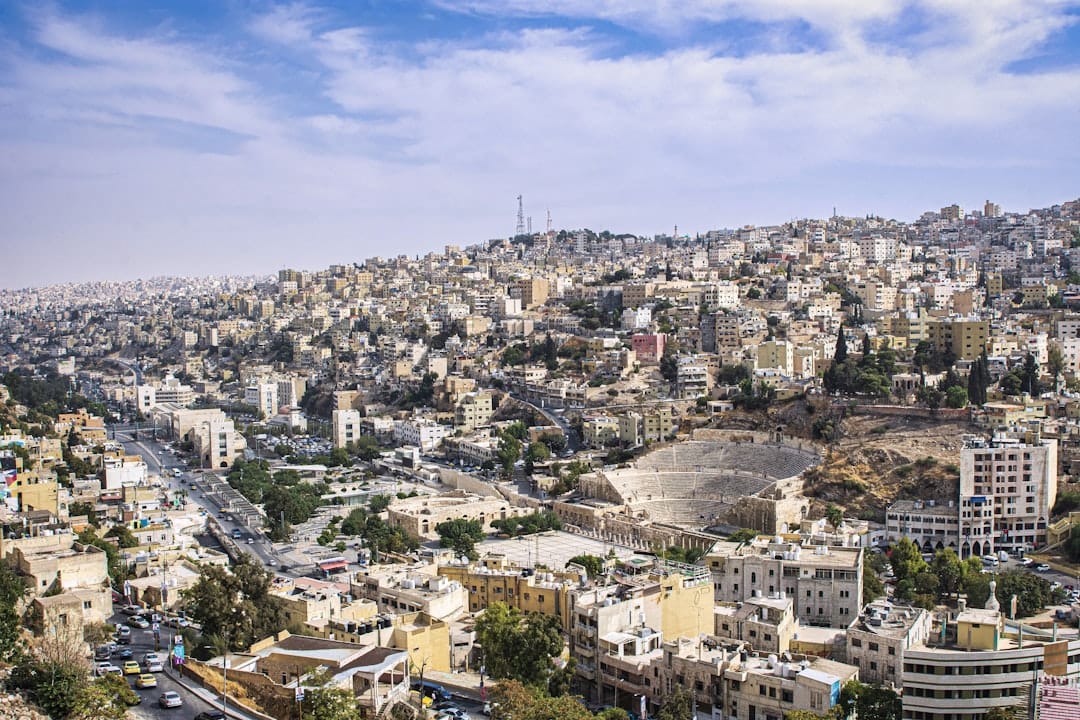
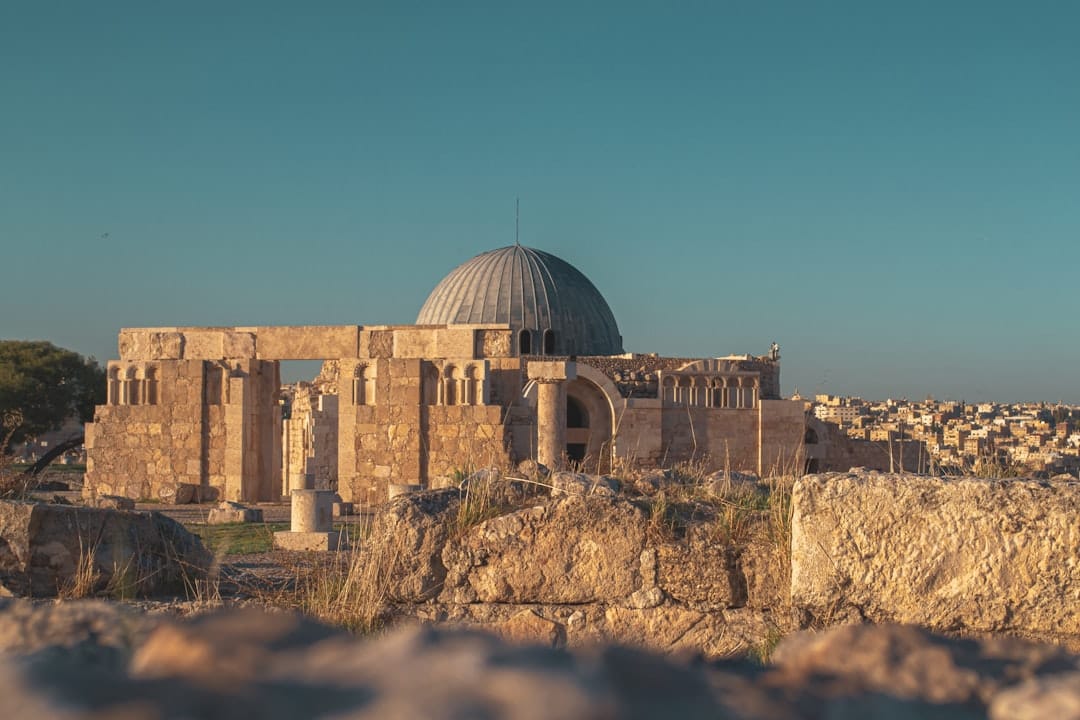
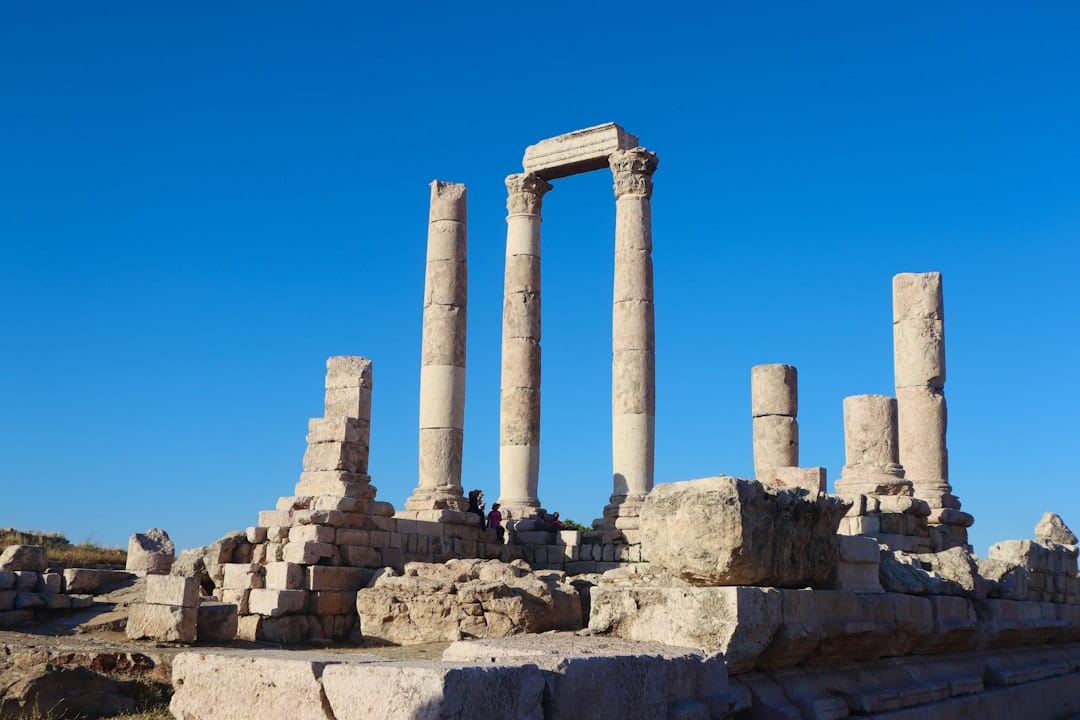
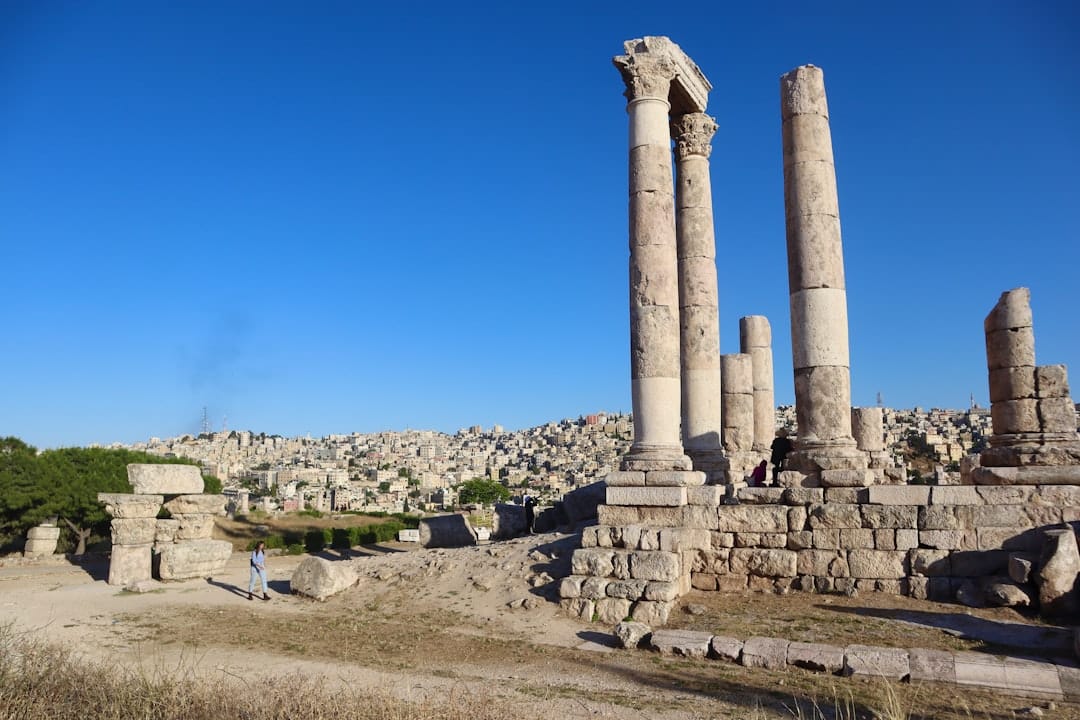
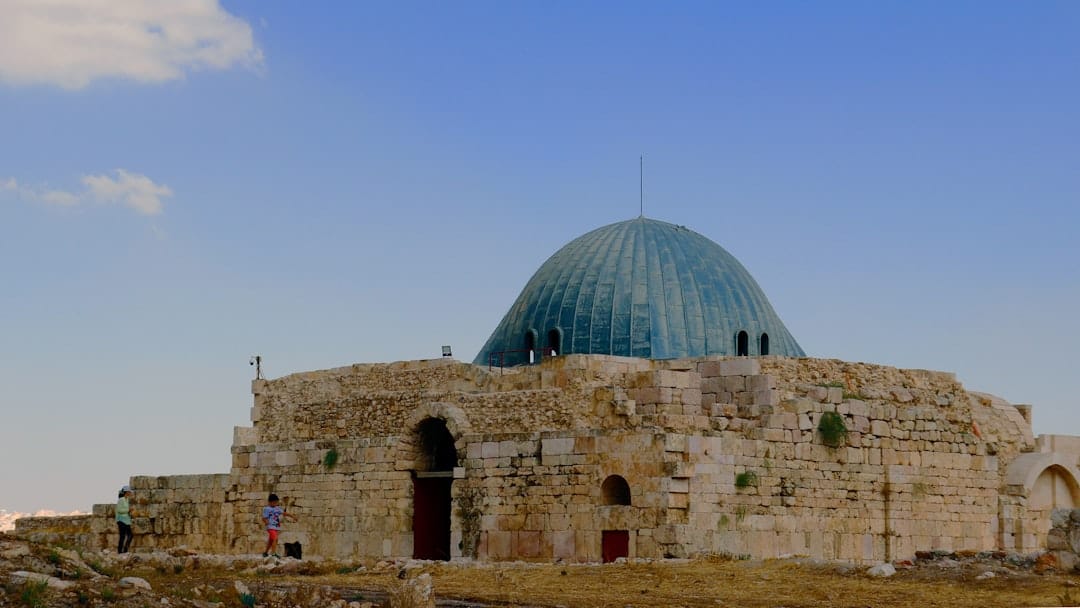
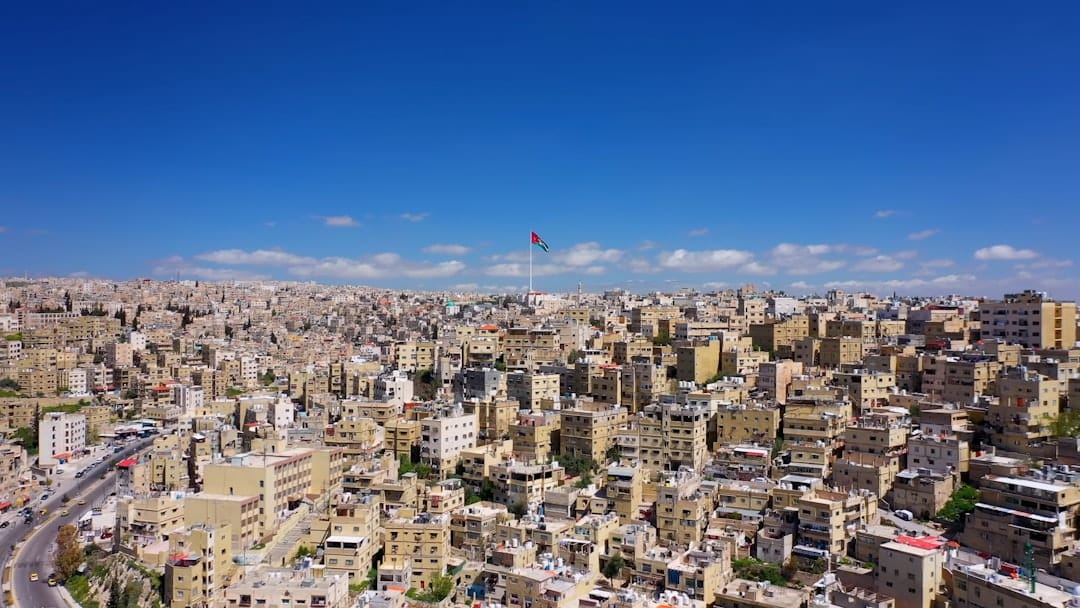
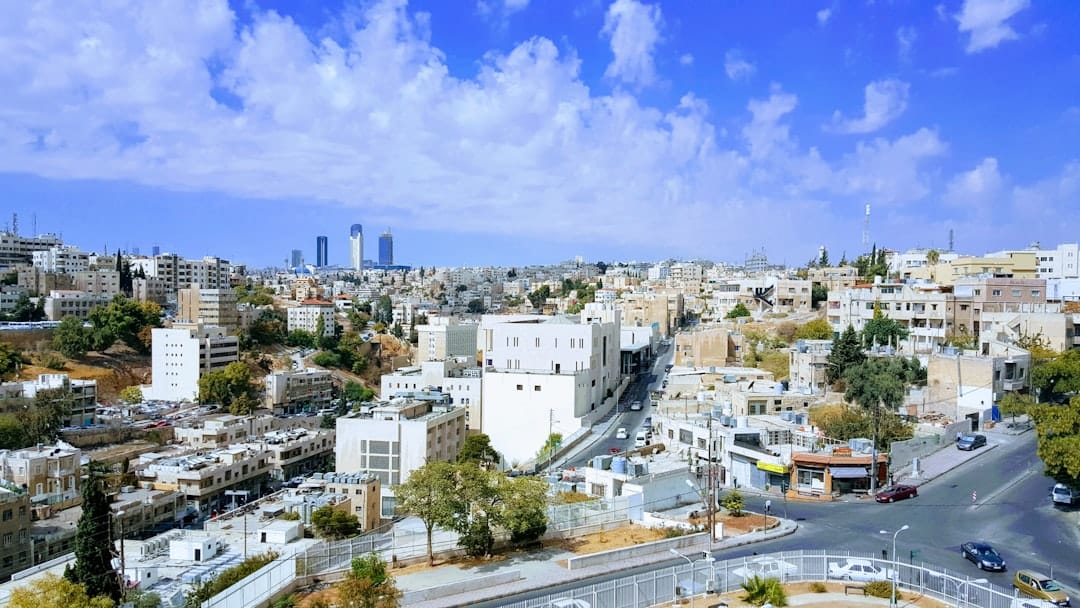
Everyone tells you to go for the Roman temple. Go for the edge of the hill instead — the whole white city drops away below you, and at sunset the call to prayer comes up from about forty mosques at once.
Before you go
The ones locals actually use — sort these before you land in Amman.
Getting around
Tap any one to see the photo and what it is — or hit the + to add it straight to your plan.
Like a local
The real spots and the timing — from locals, not guidebooks. The stuff a top-10 list will never give you.
Like a local · Neighbourhood
Rainbow Street vs the real downtown
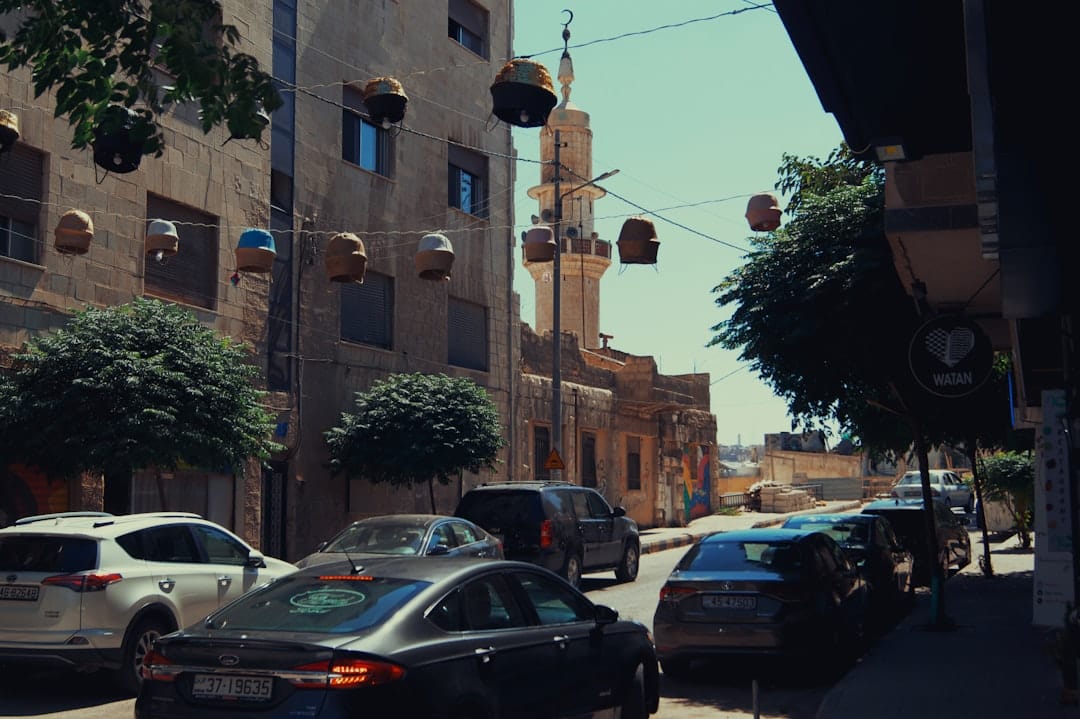
Rainbow Street is the polished spot; the soul is downtown 'Al-Balad' — the gold souk, old cafés, and the hum of the city. Have a mint-lemonade and people-watch from an upstairs café.
— in Al-Balad
Like a local · Food
Knafeh and street sweets
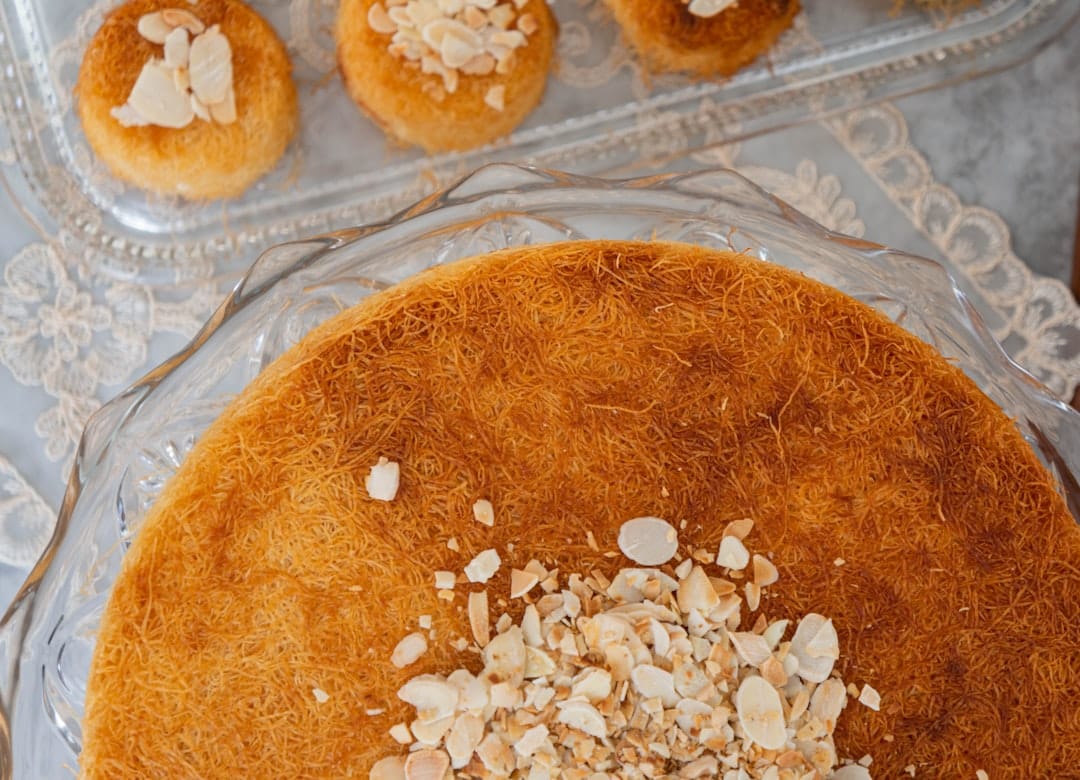
Amman runs on 'knafeh' — a hot cheese-and-syrup pastry. Habibah downtown is the institution; queue at the hole-in-the-wall counter for a plate for pennies. Fresh, gooey, and the local everyday joy.
— in downtown
Like a local · Ritual
Argileh and Arabic coffee
The evening ritual is 'argileh' (shisha) and cardamom-scented coffee at an old café, with backgammon and endless small talk. Say yes when offered coffee — refusing is nearly rude.
— in old cafés
Same city, very different trips. Here’s every area at a glance — the vibe and the nightly price. Tap one, or let your vibe pick.
How the areas compare
More bars = more of that. A quick guide, from each area’s vibe & price.
Not sure? Tell us your vibeand we’ll pin the one that fits.
Pick a vibe above, or tap a few things to do — the best area to stay appears here.
Type its name and I’ll tell you what area it’s in and how far it is from your picks.
Everyone tells you to go for the Roman temple. Go for the edge of the hill instead — the whole white city drops away below you, and at sunset the call to prayer comes up from about forty mosques at once.
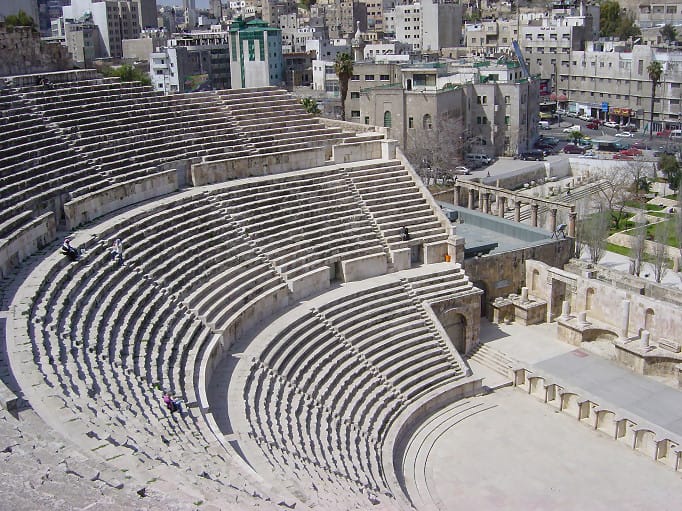
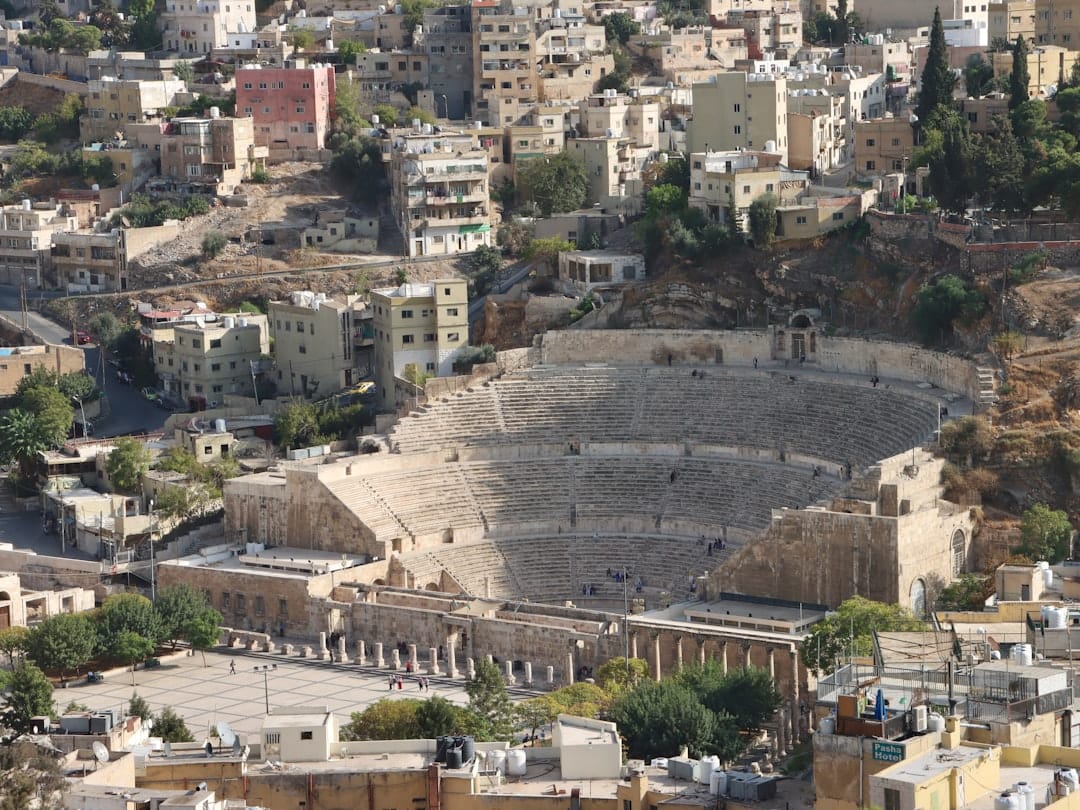
Six thousand seats cut into the hillside in the middle of a working city. Climb to the very top row — it's steeper than it looks and the acoustics still work.
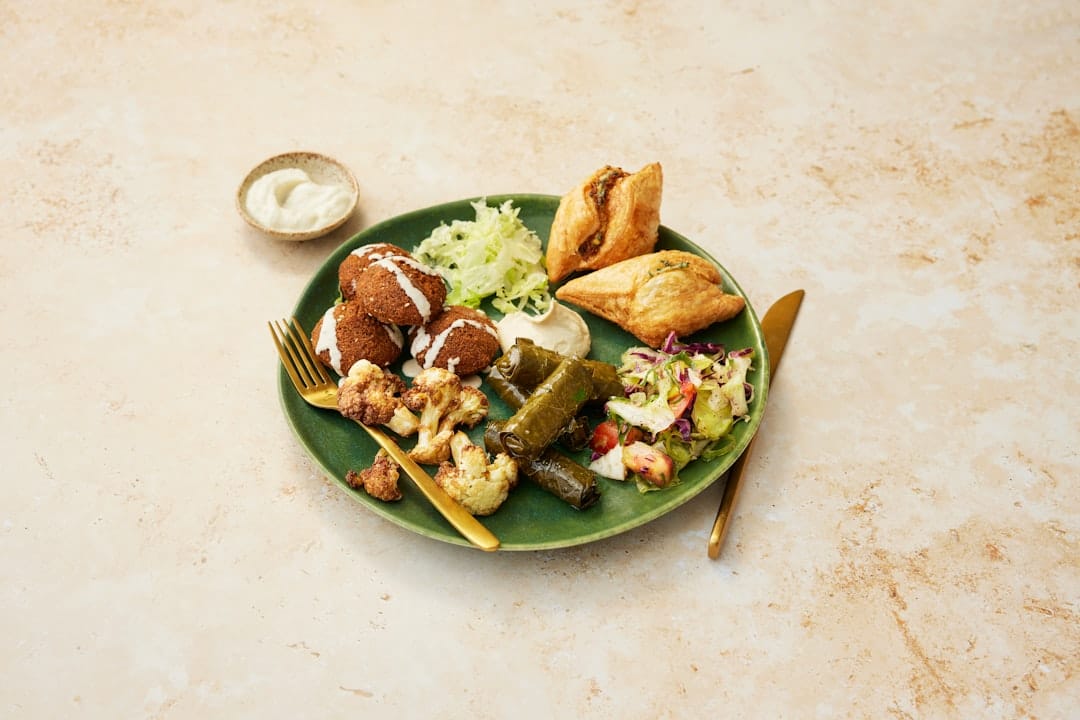
A downtown alley, plastic chairs, open all night, and it has fed everyone in this city including the king. Falafel, hummus, fuul, mint tea. There is no menu and you don't need one.
The one street in Amman built for wandering. Touristy in the middle and much better at the edges — walk the side streets off it, where the old villas and the good coffee actually are.
Find the alley off King Hussein Street with a queue coming out of it. Order knafeh nabulsieh, eat it standing up off a paper plate, burn your mouth. Costs about a pound.
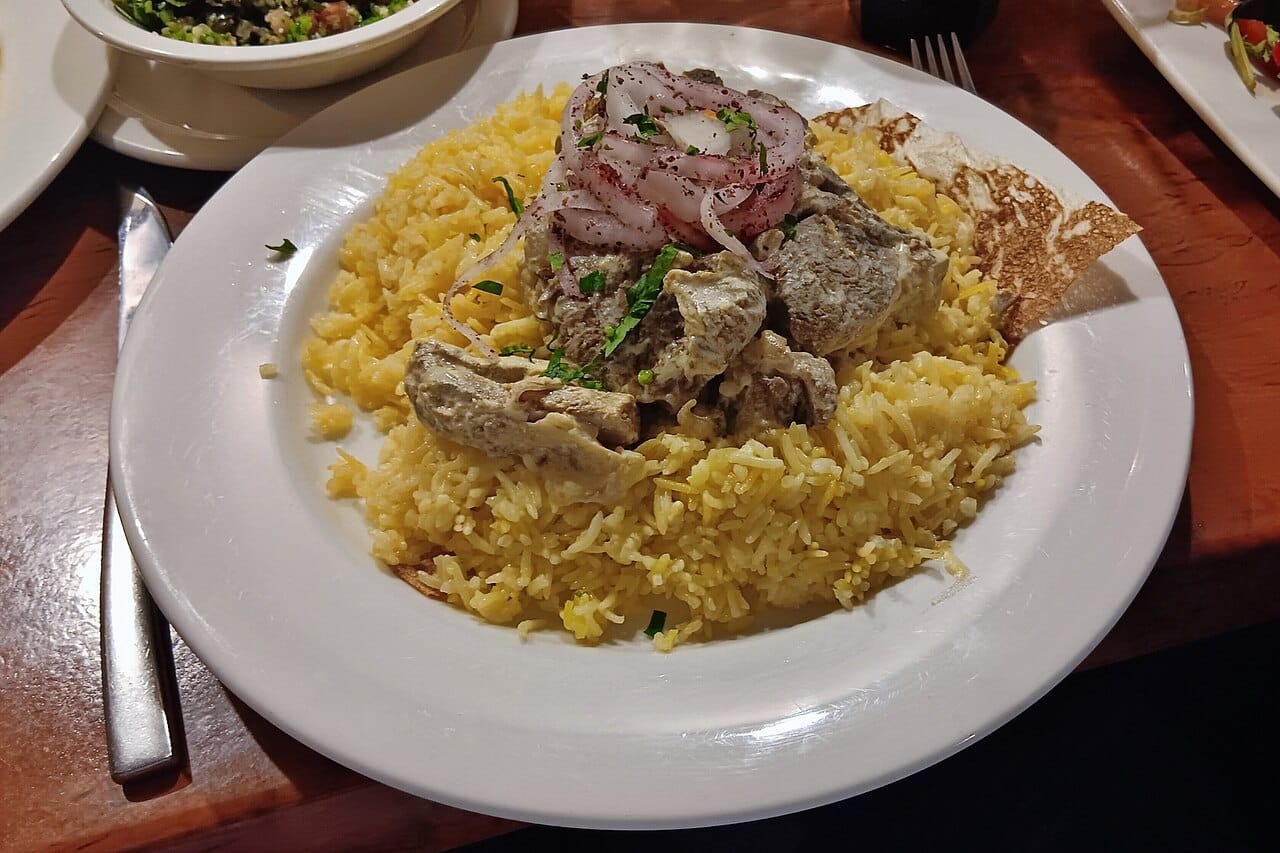
Mansaf is the national dish — lamb, rice, and a fermented yoghurt sauce that divides people — and you should eat it once, properly, in a garden on Rainbow Street rather than from a takeaway box.
Small, modern, and holds the Ain Ghazal statues — nine-thousand-year-old plaster figures with enormous eyes, among the oldest human likenesses ever found. Worth it for that room alone.
Summer Fridays only. A whole stepped street off Rainbow closed to traffic and filled with makers, second-hand books and food stalls. It's where young Amman actually goes on a Friday evening.
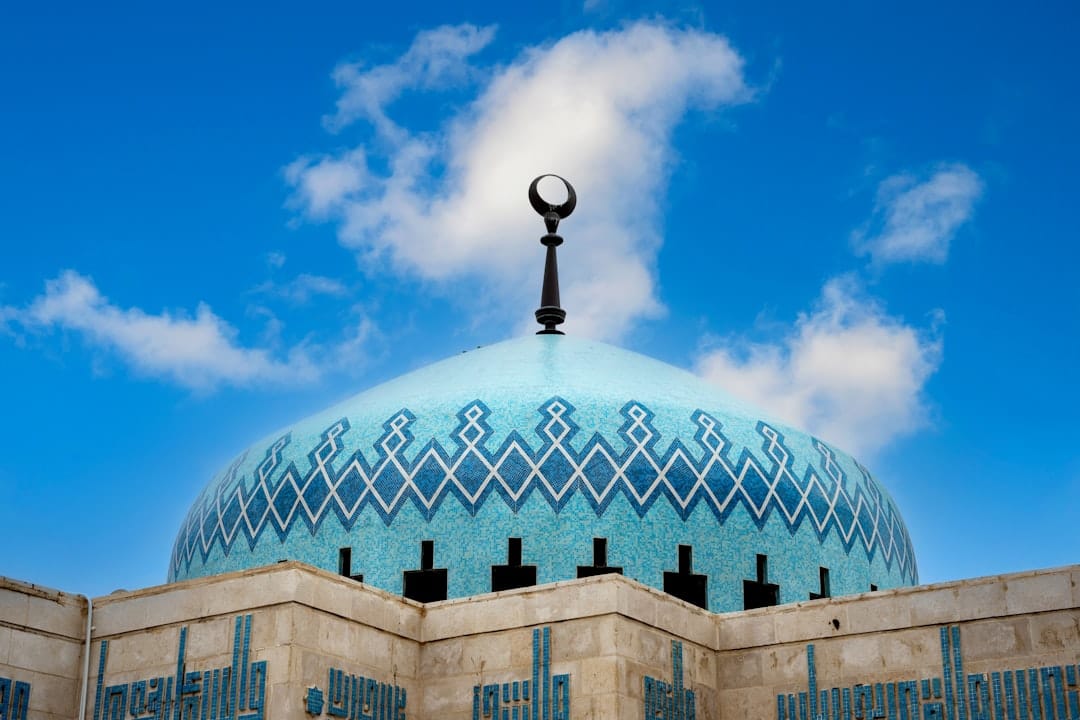
The blue-domed one you keep seeing from other hills. It's the only mosque in Amman that welcomes non-Muslim visitors, and the inside of that dome is worth the trip up.
Contemporary Arab art in a set of 1920s villas on the hillside, with a Byzantine church ruin in the garden and a terrace café looking over downtown. Free, quiet, and almost nobody sends you here.
The gold souk, the spice sellers and the vegetable market run into each other around King Talal Street. Go late afternoon when it's busiest — this is the loudest, most alive part of the city.
A conservation centre with the best cheap view in Amman — a wide terrace looking straight across at the Citadel. Get a coffee, sit outside, don't rush.
Start at the mosque in the valley and climb any of the public staircases that run up the hillsides. They're how people actually get around here, and they open onto views no road does.
Steam, scrub, massage, mint tea, about ninety minutes. Book ahead and check which hours are men's or women's — it's a proper hammam, not a spa.
A 1920s house above a shop on King Faisal Street, kept as a free public salon. Ring the bell, climb the stairs, wander through empty period rooms. There's no ticket and no guide and that's the charm.
Amman's shiny new open-air strip — cafés, street food and shisha under the towers, packed and buzzing after dark. Where young Amman comes out to see and be seen.
The Rainbow Street institution — a bookshop-café-bar with a terrace over the old city, cold drinks, and the most relaxed crowd in Amman. Sunset here is a rite of passage.
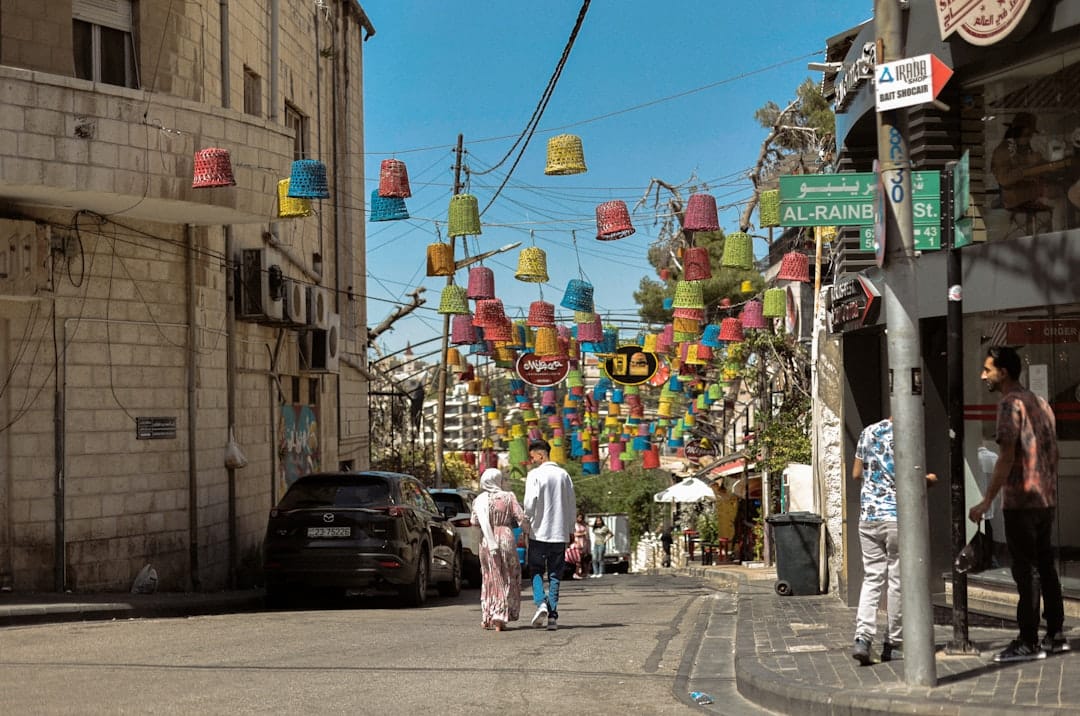
The arty heart of Weibdeh — a roundabout ringed by galleries and old-Amman cafés, with a canopy of coloured umbrellas over the lane. The neighbourhood everyone wants to live in.
Prices are relative to Jordan, a mid-range country.
Local / cheap
The centreThe old city in the valley — souks, cheap eats, the Roman theatre on your doorstep. Loud, unpretentious, and where the city actually happens.
What’s here
Walkable / café
7 min · 2 kmThe hill directly above downtown. Old villas, café after café, and the one part of Amman built for walking. Best first-time base.
What’s here
Calm / arty
9 min · 3 kmThe quiet hill next door. Galleries, tree-lined streets, older residents and a slower pace. Where people move when Rainbow Street gets too busy.
What’s here
Modern / central
12 min · 4 kmAmman's new-build district — towers, a pedestrian boulevard, chain hotels. Charmless but convenient, and the best-connected part of the city.
What’s here
Party / nightlife
18 min · 7 kmWest Amman money. Bars, late restaurants, embassies and the city's actual nightlife. Expensive, and a taxi from anything old.
Worth knowing: No beach zone — Amman is landlocked. The Red Sea is in Aqaba, four hours south; the Dead Sea is an hour away as a day trip.
1 hr away
One of the best-preserved Roman provincial cities anywhere — a colonnaded main street, two theatres and an oval forum you can walk right across. The easiest big day trip from Amman.
Car, or bus from Tabarbour station
1 hr away
The lowest point on land, and you do genuinely float. Public beaches are rough; the resort day-passes cost more but include showers, which you will want.
Car or taxi; no useful public transport
40 min away
Madaba has the sixth-century mosaic map of the Holy Land set into a church floor; Mount Nebo, fifteen minutes further, is where Moses is said to have seen the promised land. Pair them in half a day.
Car, or bus from Raghadan
1 hr 15 min away
A 12th-century Muslim castle built against the Crusaders, on a hilltop in the greenest part of Jordan. Combine it with Jerash and you've got a full, varied day.
Car, or bus via Jerash
1–1.5 hrs away
Umayyad hunting lodges scattered in the eastern desert. Qusayr Amra is the one that matters: a small bathhouse whose walls are covered in 8th-century frescoes, including human figures — rare, and startling to stand in front of.
Car only — a loop east of the city
3 hrs away
Doable as a very long day, but don't. Stay a night in Wadi Musa so you can be at the Siq when it opens and have the Treasury to yourself for twenty minutes.
Car, or the JETT tourist bus from Abdali
Best time to go
April–May and September–October. Warm days, cool evenings, no rain — and the light on the white stone is at its best.
Cheapest: January–February. It's genuinely cold and often grey, and it occasionally snows. But rooms are at their cheapest, the Citadel is nearly empty, and Amman is a good city to be indoors in.
Pick your dates above and we’ll tell you exactly what the weather does then.
Best time to go: Apr–May & October.
October
25° / 16°C
Dry
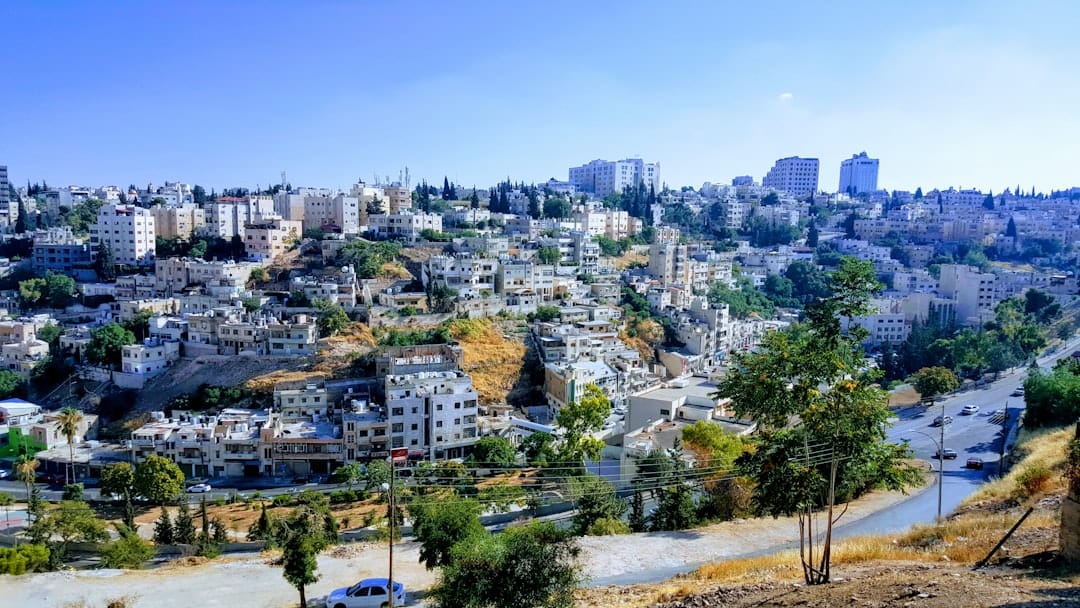
Good time to goAmman doesn't announce itself. There's no skyline moment, no single view that explains the place — it's a city of white stone spread across nineteen hills, and you understand it by walking one of them. Downtown sits in the valley: loud, cheap, full of fruit sellers and gold shops and the smell of frying falafel. The hills above it are quieter and richer the higher you go, ending in west Amman, which could be a suburb of anywhere. What makes it worth several days rather than one is that it's a real working capital rather than a monument — the Roman theatre has teenagers sitting on it, and the Citadel is a shortcut for people who live below it. Come for two nights on the way to Petra and you'll wish you'd stayed three.
Add it and help the next traveller plan like they’ve got a friend in town.
+ Suggest a hidden spotLast updated 19 July 2026. Cities are refreshed, not written once.